Is Inefficient Route Planning Costing You Money?
February 12, 2026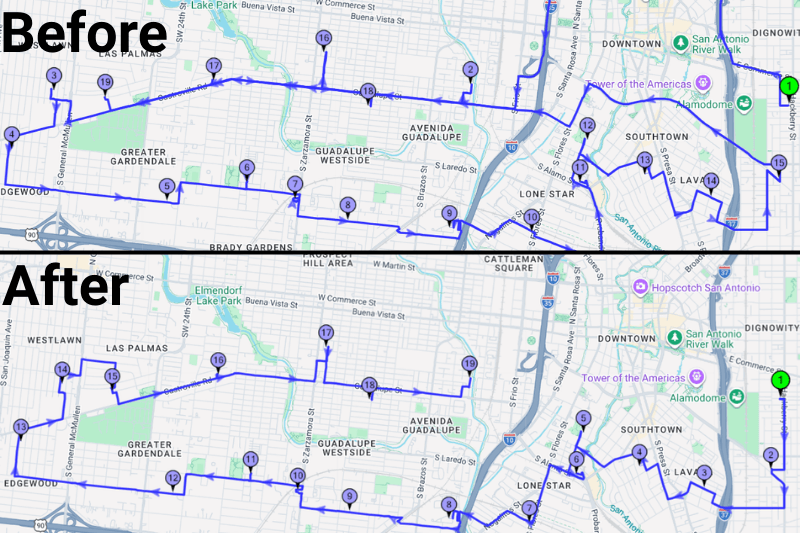
Delivery based businesses often see the difference between a profitable month and a loss as affected by the efficiency of their routes. Inefficient route planning acts like a hidden tax on your operation. You never see a single big bill, but the losses drip out through fuel, labor, and vehicle depreciation every day. If you care about your bottom line, you need to understand the real inefficient route planning costs and where to look for red flags.
Five Clear Warning Signs that your Current Routing Logic is Leaking Cash
When mileage grows faster than revenue
One of the clearest signs of inefficient delivery routes is when transportation costs rise faster than your sales. If your business revenue grew by 10% last month but your fuel and maintenance costs jumped by 20%, the gap is often routing inefficiency rather than “just” higher prices. The key financial check here is your cost per stop: the total delivery related costs divided by the number of completed deliveries.
If your cost per stop is creeping upward even as volume increases, you are not benefiting from economies of scale; you are likely backtracking, driving too many miles between stops, or over extending your fleet on poorly optimized routes.
Persistent overtime and “hidden” labor waste
Payroll is one of the largest expenses for most delivery operations, so route planning inefficiency shows up quickly in overtime and manual planning time. If drivers consistently log overtime to finish what should be “standard” routes, the issue is rarely effort; it is usually poor sequencing, unrealistic timing, or unmanaged territory size.
Another hidden labor leak is planning time. When owners or dispatchers spend one to two hours every morning manually “moving pins on a map,” that is high value time spent on a repetitive task that modern optimization tools can handle in minutes. Those hours could instead be used for sales, customer care, or process improvement, areas that actually grow revenue rather than simply chasing today’s deliveries.
A spike in “Where is my order?” calls
Customer service is not just a nice to have; it is a real cost center that reflects the health of your routes. Every “Where is my order?” (WISMO) call consumes support time and risks customer churn, especially when expectations are not met. Inaccurate ETAs and missed time windows are common symptoms of inefficient route planning. The reasons for that could be that routes are too long, stops are scheduled in the wrong order, or realistic service times were not considered.
High first attempt failure rates, where deliveries do not succeed the first time, also drive up costs because they require a second trip with no additional revenue. Optimized routing, better address quality, and more realistic time windows can all improve delivery success rate and reduce WISMO calls at the same time.
Faster than expected vehicle wear and tear
Vehicles age by the mile. Inefficient delivery routes lead to excessive idling, unnecessary mileage, and more stop and go driving, all of which accelerate wear on engines, brakes, and tires. If you find yourself doing tire replacements, brake jobs, and major repairs more frequently than expected for your mileage band, your routes are likely full of unnecessary detours and extra trips.
Because fuel, maintenance, and repairs form a large share of per mile delivery cost, shaving even 10–20% off your total miles driven can meaningfully improve your cost structure. Automated route optimization systems have been shown to reduce mileage by around 15–30% compared to manual planning, which directly cuts these wear and tear related expenses.
Too many “empty miles” and deadheading
Another major route planning inefficiency is high empty miles, also called deadhead miles, where vehicles are driving without cargo. Industry guidance suggests that when a large portion of your total miles are run empty, you are paying full price for fuel, labor, and vehicle wear with zero revenue in return. For many fleets, keeping deadhead under roughly 15% of total miles is considered a good benchmark; above that level, you may have significant profit leakage.
Signs of trouble include drivers returning to the depot with nearly empty vehicles for much of the day, or driving across town for a single delivery and then heading all the way back without additional stops on the route. More efficient route design, better territory planning, and load consolidation can all reduce empty miles and improve overall cost per mile.
The Reality Check: What Inefficient Route Planning Really Costs
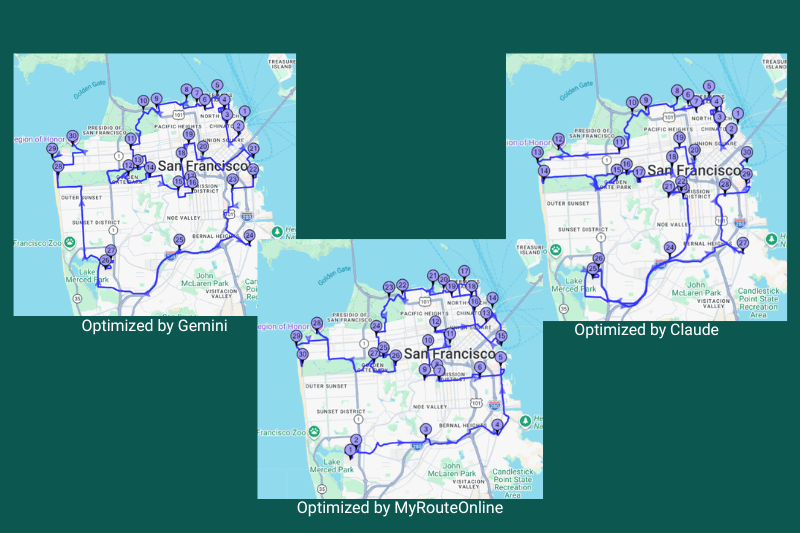
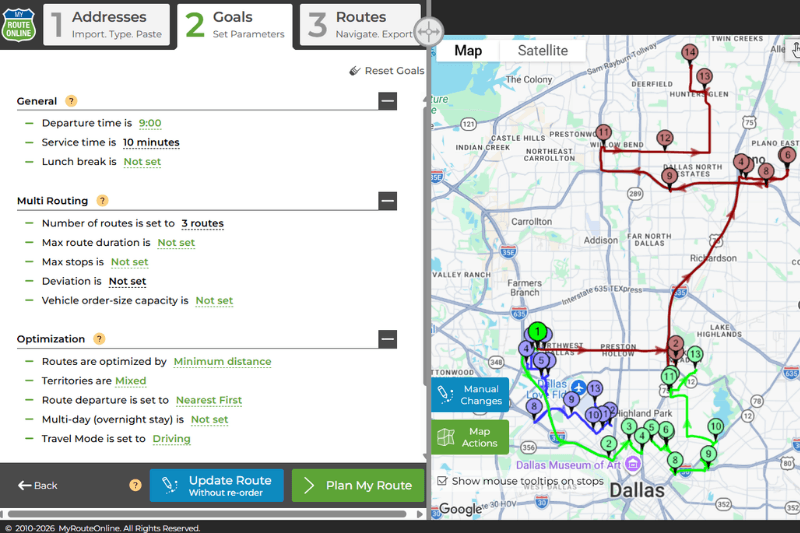
Old school manual route planning has been shown to leave transportation operational costs 10–30% higher than they need to be, while optimized routing can reduce total mileage by 15–30% and significantly lower fuel and delivery expenses. That gap is the real cost of inefficient route planning: higher fuel consumption, more overtime, faster vehicle depreciation, and lost time spent fixing problems instead of growing your business.
If you suspect your routes are costing you money, start with a simple one week snapshot:
- Track total miles driven vs. total stops completed.
- Calculate cost per stop and see whether it is rising over time.
- Estimate your percentage of empty miles.
- Log overtime hours and WISMO calls.
If those numbers are trending the wrong way, it is time to move from manual map shuffling to proper route optimization and turn routing from a hidden tax into a real competitive advantage.
FAQ – Inefficient Route Planning Costs
What is cost per stop and why does it matter?
Cost per stop (or cost per delivery) is the average expense required to complete a single delivery, including fuel, driver labor, and vehicle maintenance. It matters because it shows how efficiently your routes turn operating costs into completed deliveries. If your cost per stop is rising while volume is stable or growing, it is a strong signal that your route planning is inefficient and your vehicles are driving more miles than necessary.
What are the main warning signs of inefficient route planning?
Common warning signs include transportation costs rising faster than revenue, drivers working regular overtime to finish their routes, a growing number of “Where is my order?” calls, vehicles needing repairs sooner than expected, and a high percentage of empty or deadhead miles. When several of these symptoms appear together, you are likely losing money due to inefficient routes and poor territory design.
How do empty miles and deadheading affect my bottom line?
Empty miles, or deadhead miles, are trips where your vehicles are moving without any cargo. These miles cost the same in fuel, labor, and wear as loaded miles but generate no revenue. If a significant share of your total miles are empty, your cost per mile and cost per stop will be higher than they need to be, and your fleet will reach major maintenance events sooner.
How much money can route optimization save compared to manual planning?
Moving from manual planning to route optimization can reduce total mileage by roughly 15–30% and cut transportation costs by around 10–30%, depending on your starting point. These savings come from shorter routes, fewer empty miles, less overtime, and better use of vehicles and drivers. Over a full year, even small percentage improvements in mileage and cost per stop can add up to a major impact on your bottom line.