Where to Find the Cheapest Gas Prices Near You
July 02, 2026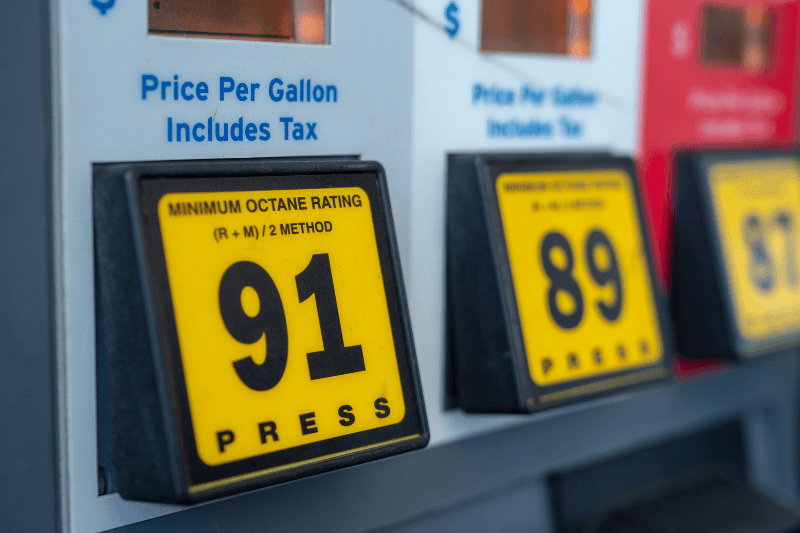
Gas prices can swing by 50 cents a gallon or more between two stations a few miles apart, and the difference between filling up at the wrong place on the wrong day and doing a little homework first can add up to hundreds of dollars a year. Here is where to actually look, and what else moves the needle if you drive for work rather than just for errands.
The Best Apps and Tools for Comparing Gas Prices
GasBuddy has the largest crowdsourced database of station prices in the US and Canada, updated constantly by drivers who report what they paid. It shows nearby stations ranked by price, and its free Pay with GasBuddy card knocks a few cents off every gallon at participating stations, with occasional Flash Deals offering steeper discounts.
Waze shows gas prices at stations along your current route while you are navigating, so you can see whether a cheaper station is worth a short detour without switching apps. Because pricing is community-reported, accuracy is generally strong in populated areas.
Google Maps now shows price badges directly on gas station pins when you search “gas stations near me,” which makes it a fast option if you already have the app open and do not want a dedicated price-tracking tool.
Upside works differently: instead of comparison shopping, it gives you cash back on gas you were already going to buy, at thousands of participating stations. It stacks well with GasBuddy or Waze since one finds the lowest price and the other refunds part of the purchase.
AAA members can check regional average prices and get station data built into AAA’s trip-planning tools, useful for road trips where you want to see pricing trends across a whole route rather than one station at a time.
Other Ways to Lower your Cost per Gallon
Beyond price-comparison apps, a few habits consistently save money:
Warehouse club stations. Costco and Sam’s Club gas is typically several cents to tens of cents cheaper per gallon than nearby stations, membership fee aside.
Station loyalty programs. Shell, ExxonMobil Rewards+, and BP Earnify all offer per-gallon discounts for linking a loyalty account, and some stack with credit card rewards.
A cashback credit card. Cards offering 2 to 5 percent back on gas purchases add savings on top of whatever price you already found.
Timing your fill-up. GasBuddy’s ongoing analysis of state-level pricing has found that Sunday is typically the cheapest day to buy gas in most states, while Wednesday through Friday tend to run higher, with typical savings of a few cents per gallon between the best and worst day, and more in states with sharper weekly price cycles. It is not worth delaying a fill-up if your tank is nearly empty, but if you have flexibility, timing is a free lever.
If you drive for work, the bigger savings are in fewer miles, not just cheaper gas
Price-shopping and timing your fill-up can save a driver real money over a year, but the math changes once you are running a delivery route, a service business, or a fleet of vehicles. At that scale, the biggest fuel cost driver usually is not which station you chose. It is how many extra miles the route itself required.
A poorly sequenced route with 20 or 30 stops can easily add several unnecessary miles of backtracking, regardless of how cheap the gas was. Multiply that across a fleet of drivers running similar routes every day, and the inefficiency compounds in a way that no amount of station-hopping can offset.
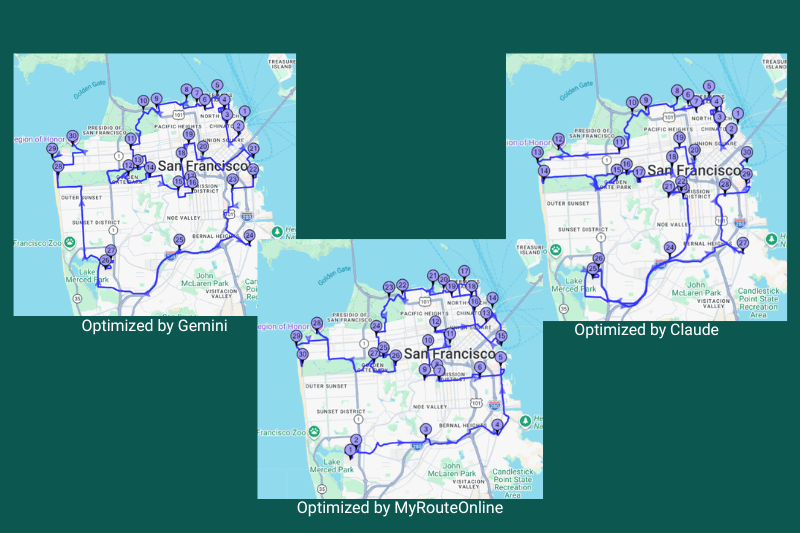
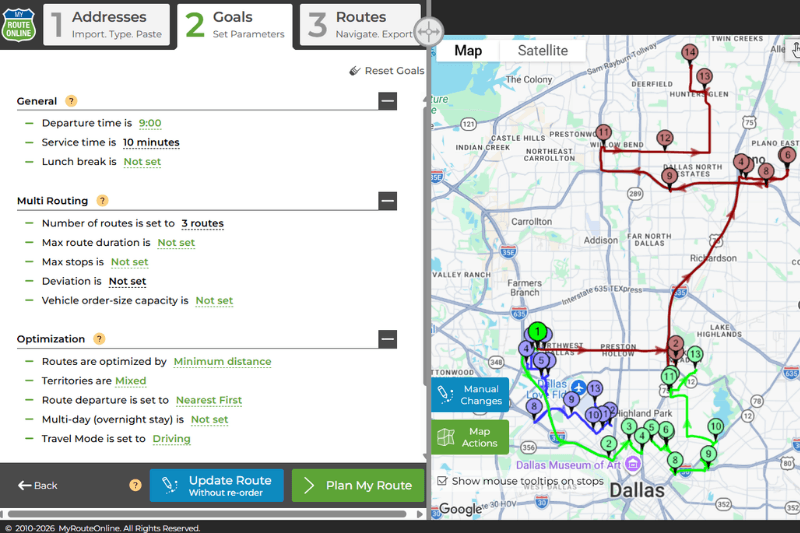
This is what route optimization software solves. Tools like MyRouteOnline let you import a list of addresses from Excel or CSV, calculate the most efficient stop order automatically, and split the workload across multiple drivers, so nobody is driving further than the route actually requires. For businesses managing daily multi-stop routes, that reduction in total miles driven is a more reliable way to control fuel spend than chasing the cheapest pump, and it works whether gas is $3 a gallon or $5. MyRouteOnline plans start at $19 a month with no per-driver fees, and new users can plan routes with up to 20 addresses for free to see the difference before committing to anything.
FAQ about Finding the Cheapest Gas Prices
What is the best app for finding cheap gas?
GasBuddy has the largest and most frequently updated database of station prices, making it the strongest single option for pure price comparison. Waze and Google Maps are convenient if you want prices without switching away from a navigation app, and Upside adds a layer of cash back on top of whichever station you choose.
Is gas actually cheaper on certain days of the week?
Yes, in most states. Data from GasBuddy shows Sunday is typically the cheapest day to buy gas, while Wednesday through Friday tend to be the most expensive, with the gap usually running a few cents per gallon and sometimes more in states with sharper weekly price swings. The pattern is not universal, so it is worth checking state-specific data if timing matters to you.
Do warehouse clubs like Costco really have cheaper gas?
Generally yes. Costco and Sam’s Club gas is typically several cents to tens of cents per gallon cheaper than nearby stations, though you need an active membership to access it, so the savings only make sense if you are already a member or drive enough to justify one.
How can a delivery or field service business reduce fuel costs beyond finding cheap gas prices?
The most effective lever for a business running multiple stops or drivers is reducing total miles driven through better route sequencing, since an inefficient route adds fuel cost regardless of the price paid per gallon. Route optimization tools like MyRouteOnline calculate the most efficient stop order across a route and let dispatchers split addresses across multiple drivers, which tends to have a larger and more consistent impact on fuel spend than price-shopping individual fill-ups.